
Description
Overview
Baihe Medical’s Nephrology & CVC Consumables are precision‑engineered products designed to support renal care, blood purification therapies, and central venous catheterization procedures. These consumables are widely used in hemodialysis, continuous renal replacement therapy (CRRT), plasmapheresis, and other critical care interventions where vascular access and fluid management are essential. Engineered for safety, compatibility, and reliable performance, Baihe Medical consumables help clinicians deliver efficient therapy while minimizing complications related to vascular access and extracorporeal circuits.
Key Features
Hemodialysis Bloodlines & Tubing:
Wide compatibility with major dialysis systems; optimized flow dynamics reduce hemolysis and clotting.
Dialyzer Connectors & Adapters:
Precision‑manufactured connectors for secure, leak‑free connections between dialyzers and bloodlines.
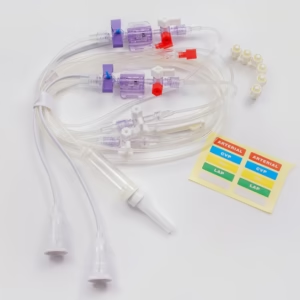
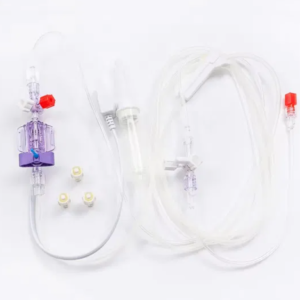
Arterial & Venous Pressure Transducers:
Reliable pressure sensing for precise monitoring of extracorporeal circuit dynamics during therapy.
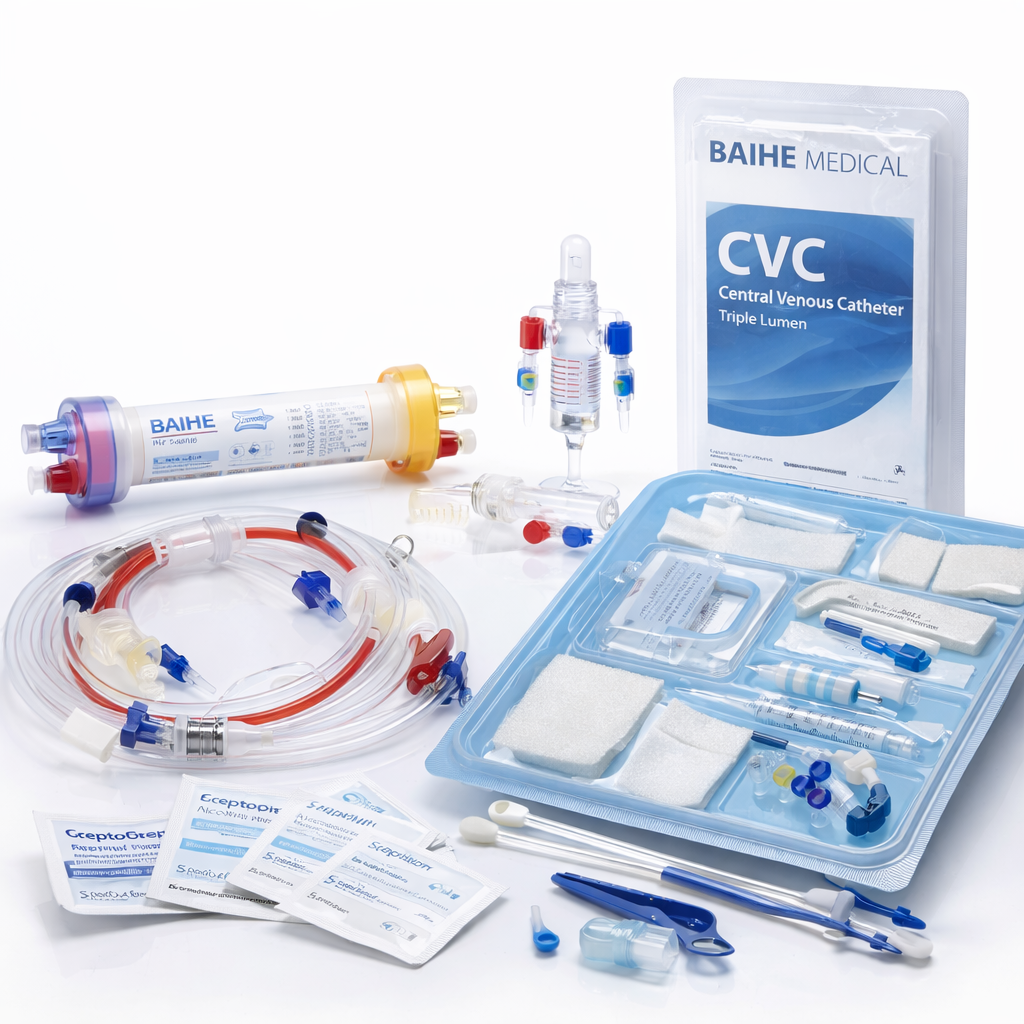
Central Venous Catheter (CVC) Consumables:
Single‑use kits, caps, clamps, and sterile accessories designed for safe central venous access and maintenance.
Sterile Handling & Safety Components:
Designed to reduce infection risk with closed system pathways, sterile packaging, and single‑use disposables.
Clinical Applications
Baihe Medical Nephrology & CVC Consumables are typically used for:
• Hemodialysis and renal replacement therapies in hospital and dialysis centers
• Continuous renal replacement therapy (CRRT) in ICU and critical care units
• Plasmapheresis, apheresis, and extracorporeal blood treatments
• Central venous catheter insertion and maintenance
• Vascular access procedures requiring sterile, precision‑engineered consumables
Clinical Benefits
Key benefits of using Baihe Medical consumables include:
• Enhanced safety with sterile, single‑use components
• Consistent performance supporting reliable renal therapy delivery
• Compatibility with a wide range of dialysis and extracorporeal systems
• Reduced risk of catheter‑related bloodstream infections
• Improved clinical workflow efficiency and patient comfort