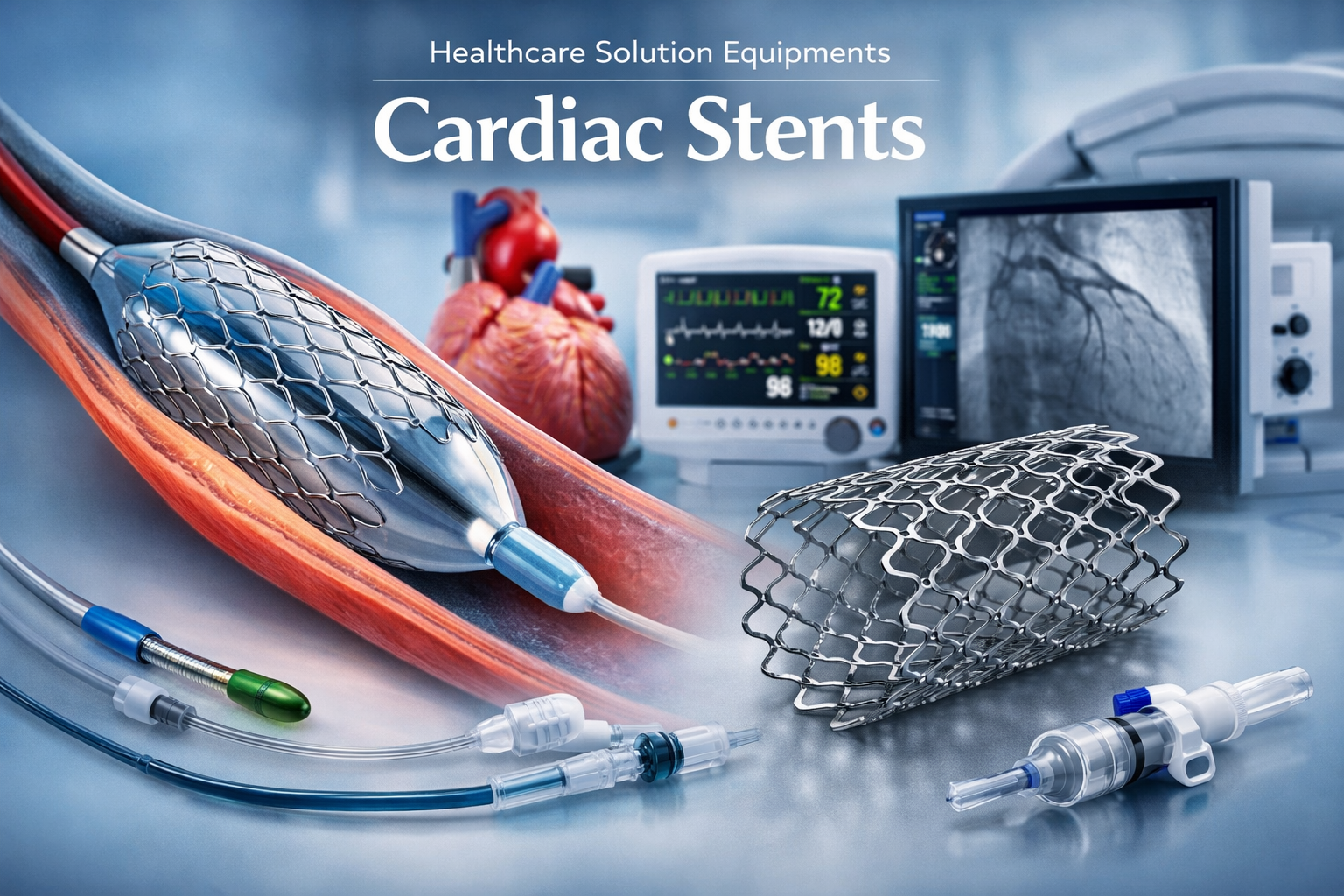
Cardiac stents are small, expandable mesh tubes used to treat coronary artery disease by keeping narrowed or blocked arteries open.
They are typically made from biocompatible metals such as cobalt-chromium or stainless steel and may feature drug-eluting coatings that release medication to prevent restenosis.
Cardiac stents provide structural support to the artery, improve blood flow, and help maintain long-term vessel patency following percutaneous coronary interventions (PCI).
Key Features
Drug-Eluting Technology: Cardiac stents with drug-eluting coatings reduce the risk of restenosis and promote healthy vessel healing.
Thin-Strut Design: Cardiac stents with thin-strut platforms enhance deliverability and conformability within complex coronary anatomy.
High Radial Strength: Cardiac stents provide durable scaffolding to maintain artery patency post-PCI.
Wide Size Range: Cardiac stents are available in multiple diameters and lengths to treat a variety of coronary lesions.
Clinical Applications
Treatment of coronary artery disease (CAD)
Percutaneous coronary interventions (PCI) in native coronary arteries
Lesions with varying complexity and vessel diameter
Patients requiring long-term vessel support and reduced restenosis risk
High-risk or multi-vessel coronary artery procedures
Clinical Benefits
Reduced risk of restenosis through drug-eluting technology
Improved deliverability and precision in complex coronary anatomies
Durable radial strength for long-term artery support
Enhanced patient outcomes with proven clinical performance
Flexible sizing options to accommodate a wide range of lesion types